
Lr³ Citizen Science Adventure 39
Title: Reef Physics in Action – Wind Shear, Calcification, and Electricity in Nature
This Lr³ Citizen Science Adventure explores the dynamic forces that shape the reef ecosystem. Participants will experience firsthand the impacts of wind shear, the process of reef calcification, and natural electrical currents that influence marine life and coral growth.
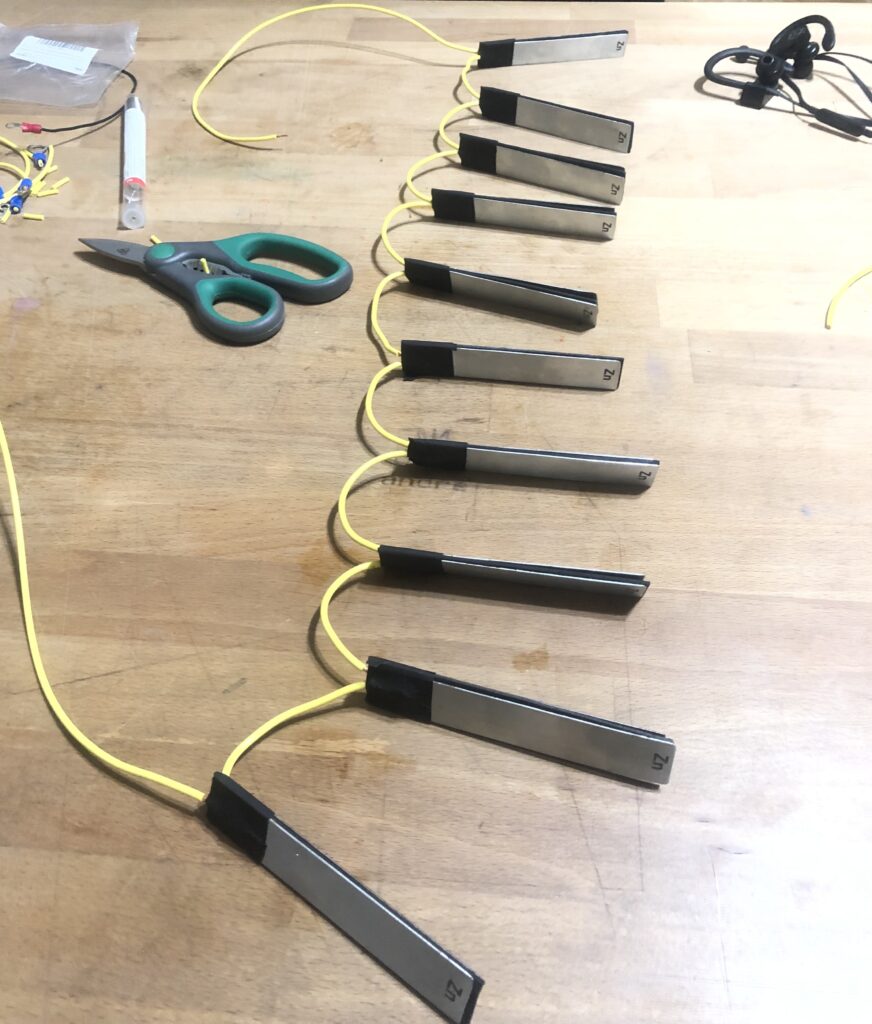
Join us on an immersive exploration of Lighthouse Reef Atoll, where wind, water, and marine organisms interact in fascinating ways. This adventure delves into the science behind wind shear and wave formation, the biochemical process of coral calcification, and the role of natural electrical currents in reef health. Participants will conduct hands-on experiments, analyze real-time environmental data, and contribute to Lr³ research initiatives.
Overview:
- Duration: Half-day or Full-day
- Level of Difficulty: Moderate (involves snorkeling and light physical activity) Bring a science mind.
- Best Time of Year: Dry season (November to May) for optimal visibility and calmer waters
- Gear Needed: Snorkeling gear, underwater slate, data recording sheets, compass, reef-safe sunscreen
- Guided or Self-Guided: Guided by Lr³ marine scientists
- Time of Day: Morning to early afternoon
- Skills Needed: Basic swimming/snorkeling skills, observational recording, curiosity about marine science
- Group Size: 4-10 participants
Itinerary:
Journey Route:
- Meet at Long Caye research station for orientation
- Boat ride to study sites around Lighthouse Reef
- Wind shear and wave action observation
- Snorkeling session to explore calcifying corals
- Measurement of natural electrical currents in the water
- Data collection and discussion
Mode of Transportation:
- Boat transport between sites
- Snorkeling for underwater observations
Things to Contemplate:
- How does wind shear affect reef structure and sand movement?
- Why is calcification vital to reef building?
- What role does electricity play in marine organism behavior?
Game Challenges:
- Wave Energy Estimation: Predict and measure wave intensity at different sites
- Calcification Detective: Identify coral types with the fastest calcification rates
- Bioelectricity Tracker: Locate areas of natural electric fields and speculate their impact
Optional Worksheets & Maps:
- Wind shear mapping activity
- Coral growth rate estimation chart
- Marine electricity observation logs
Learning Objectives:
- Understand the physical forces shaping coral reefs
- Explore the biochemical processes of reef-building corals
- Learn how natural electrical currents influence marine life
- Gain experience in scientific data collection and interpretation
Wrap-Up Summary:
Participants will leave with a deeper appreciation for the physics of the reef and their role in marine conservation. The adventure culminates with a debriefing session, where findings are shared and linked to ongoing Lr³ research efforts.